Hashiba forcesToyotomi (Hashiba)
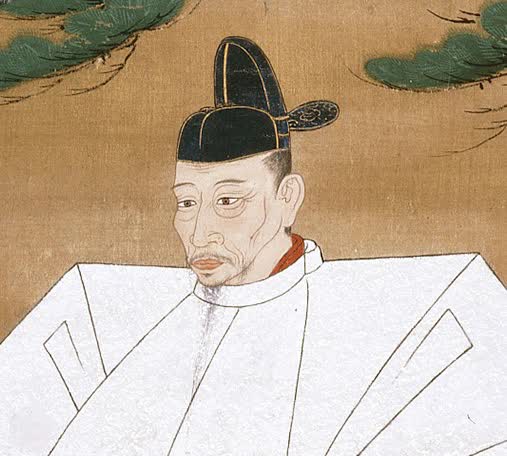
Toyotomi Hideyoshi
豊臣秀吉
“Taikō”
1537–1598 (aged 62)
- Rank / office
- Imperial Regent / Chancellor of the Realm
- Domain / base
- Owari → all Japan
- Banner / crest
- Paulownia / Thousand-gourd standard
- Battles in 3D
- 8 battles
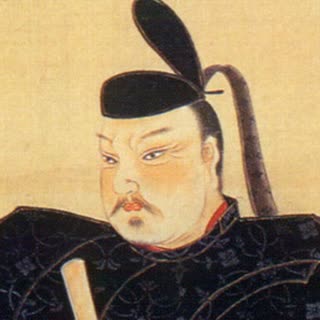
Portrait · Source: Wikimedia Commons (public domain)
Like dew I fell, like dew I vanish; even Naniwa was a dream within a dream.
Death poem
Born the son of a foot soldier in Owari, he rose in Nobunaga's service. At the news of Honnō-ji he raced back in the Great Return from Chūgoku and killed Mitsuhide at Yamazaki. Seizing the initiative in the Oda house at the Kiyosu conference, he beat Katsuie at Shizugatake to establish his power, then pacified Shikoku, Kyushu and Odawara to unify Japan. He reached his zenith as Imperial Regent and Taikō, but died of illness in the midst of his two invasions of Korea.
Life and battlesGold dots mark battles you can watch in 3D
- 1575
Battle of Nagashino
The future ruler of Japan, Toyotomi Hideyoshi. In this battle he held the centre of the defensive line behind the palisade.
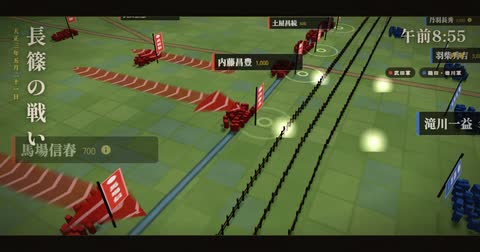 Nagashino–Shitaragahara, Mikawa Province 3,000 troops Watch in 3D ›
 - 1578
Siege of Miki
Avoided a direct assault and starved the castle out from a ring of siege forts. The two years at Miki taught Hideyoshi the secrets of siegecraft.
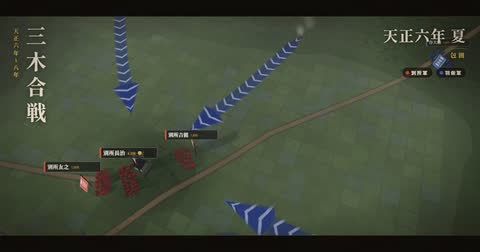 Miki Castle, Harima Province Commander-in-chief 10,000 troops Watch in 3D ›
 - 1581
Siege of Tottori
Avoided an assault, ringed the castle with forts, bought up the rice and starved it out. After Miki, this was the second perfected form of the siege by hunger, with Takamatsu to follow.
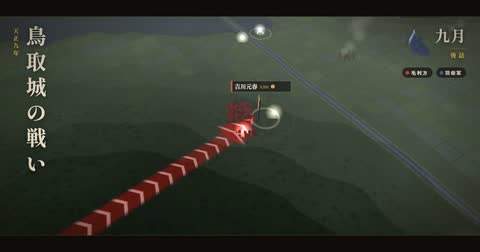 Tottori Castle, Inaba Province Commander-in-chief 20,000 troops Watch in 3D ›
 - 1582Tenshō 10
The Great Return and Yamazaki
At the news of Honnō-ji he raced back from Bitchū and killed Mitsuhide at Yamazaki.
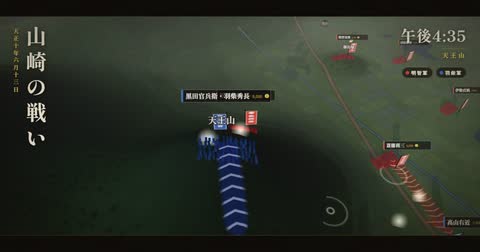 Battle of Yamazaki Commander-in-chief 10,000 troops Watch in 3D › Returned faster than anyone in the Great Return from Chūgoku and claimed for himself the banner of avenging Nobunaga. This victory was his springboard to supreme power.
 - 1582
Siege of Takamatsu
Abandoned the assault and isolated the castle with water. He concealed the news of Honnō-ji, concluded a truce and rode east the same day to achieve the Great Return from Chūgoku.
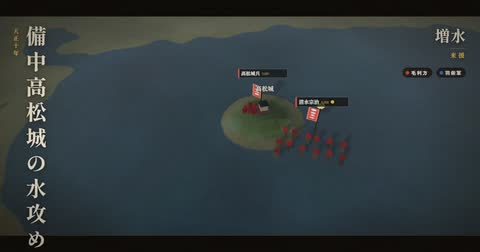 Takamatsu Castle, Bitchū Province Commander-in-chief 30,000 troops Watch in 3D ›
 - 1583Tenshō 11
Shizugatake
Beat Shibata Katsuie and established his leadership of the Oda house.
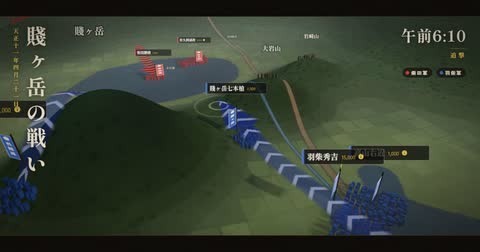 Battle of Shizugatake Commander-in-chief 15,000 troops Watch in 3D › Raced 52 kilometres back from Ōgaki in five hours in the Great Return from Mino and struck the careless detached force at daybreak.
 - 1584
Battle of Komaki and Nagakute
The master of the realm who launched the detached force from his headquarters at Gakuden. He hurried to the scene with his main army at the news, but was checked by Honda Tadakatsu and arrived too late for the battle.
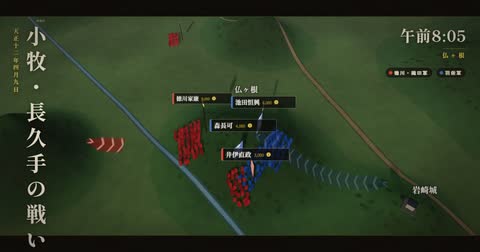 Nagakute, Owari Province Commander-in-chief 12,000 troops Watch in 3D ›
 - 1585Tenshō 13
Imperial Regent
Appointed Imperial Regent, he commanded the realm with an authority beyond any warrior house.
- 1590Tenshō 18
Unification of Japan
Took Odawara, destroyed the Hōjō, brought Ōshū to heel and completed the unification.
- 1590
Siege of Odawara
The Imperial Regent, who marched on the Kantō with more than 200,000 troops to complete the unification of the realm. Avoiding a storm, he settled into a long siege and broke the Hōjō spirit with the "One-Night Castle" of Ishigakiyama.
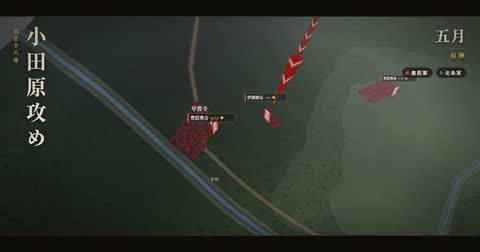 Odawara, Sagami Province Commander-in-chief 40,000 troops Watch in 3D ›
 - 1598Keichō 3
Death at Fushimi
Died in the midst of the Korean campaign, anxious for the future of his young son Hideyori.
Related sites
FAQ
Who was Toyotomi Hideyoshi?
The greatest success story of the Sengoku age: he rose from foot soldier to unify Japan. After Nobunaga's death he beat Akechi Mitsuhide at Yamazaki and Shibata Katsuie at Shizugatake to become master of the realm.
What are Hideyoshi's most famous battles?
The "overnight castle" at Sunomata, the western campaign (the sieges of Miki, Tottori and Takamatsu), Yamazaki after the Great Return from Chūgoku that followed Honnō-ji, Shizugatake, and Komaki and Nagakute.
How did Hideyoshi die?
He died of illness at Fushimi Castle in Keichō 3 (1598), anxious for the future of his young son Hideyori. His death poem reads: "Like dew I fell, like dew I vanish; even Naniwa was a dream within a dream."