About the Siege of Takamatsu
The Siege of Takamatsu was fought in 1582 (Tenshō 10) at Takamatsu Castle, Bitchū Province. On Kuroda Kanbei's advice, Hashiba Hideyoshi walled in Takamatsu Castle with a dyke and drowned it in an unprecedented flooding siege. Amid the news of Honnō-ji, Shimizu Muneharu's suicide on the lake sealed a truce, and Hideyoshi turned to the Great Return from Chūgoku.
- Year
- 1582Tenshō 10
- Place
- Takamatsu Castle, Bitchū Province
- Era
- Azuchi–Momoyama period
The two armies
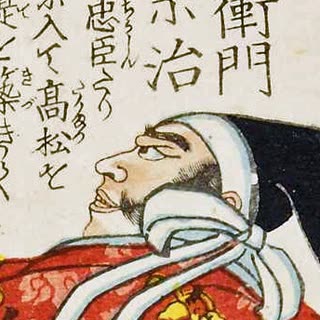 Mōri side Commander-in-chiefShimizu Muneharu 40,0005 units
 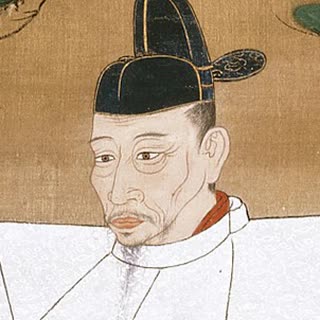 Hashiba forces Commander-in-chiefHashiba Hideyoshi 45,0003 units
 Troop strengthTotal of the units shown in 3D
Fought 40,000
Fought 45,000
Mōri sideBy troop strength
-
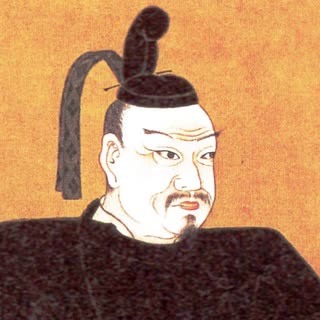 Mōri Terumoto 毛利輝元 12,000
 -
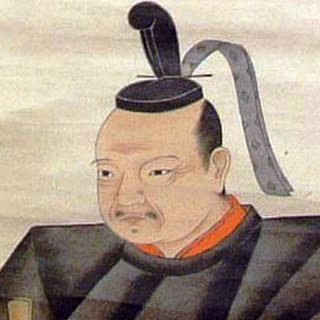 Kikkawa Motoharu 吉川元春 10,000
 -
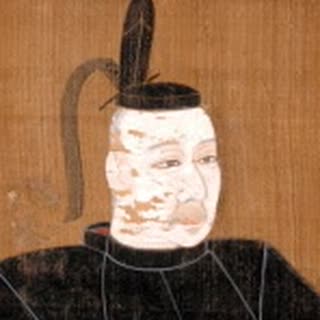 Kobayakawa Takakage 小早川隆景 10,000
 - Shimizu Muneharu 清水宗治 Commander-in-chief 5,000
- Takamatsu Garrison 高松城兵 3,000
Hashiba forcesBy troop strength
- Hashiba Hideyoshi 羽柴秀吉 Commander-in-chief 30,000
-
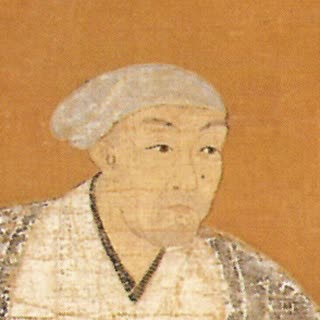 Kuroda Kanbei 黒田官兵衛 8,000
 - Horio Yoshiharu 堀尾吉晴 7,000
Portraits are public-domain images from Wikimedia Commons (some are later imagined depictions).
How the battle unfoldedTimes follow the 3D clock
- 5th month, Tenshō 10Ch. 1
MarshThe Impregnable Marsh Castle
Tenshō 10. Hideyoshi closes on the Mōri castle of Takamatsu in Bitchū. But it is a "marsh castle," protected by the swamps of the Ashimori River. Guns and horses sink in the mud, and every direct assault is thrown off.
- 5th month, Tenshō 10Ch. 2
DykeAttack Water with Water
Kuroda Kanbei proposes a bold stratagem: if water will not let the castle fall, attack it with water. Hideyoshi builds a huge dyke south of the castle and sets about damming the Ashimori River. A great earthwork some three kilometres long from Kaerugahana.
- Rainy seasonCh. 3
FloodA Castle Afloat on a Lake
The rainy season fills the dyke. The water rises visibly, and in less than a month Takamatsu Castle becomes a lonely island on a lake. The garrison is driven up onto the roofs of the main keep.
- Rising waterCh. 4
ReliefThe Mōri Blocked by the Lake
Thirty thousand men under Mōri Terumoto, Kikkawa Motoharu and Kobayakawa Takakage hurry to the relief. But a brimming expanse of water bars their way, and they cannot lay a finger on the castle. The two armies glare at each other across the lake.
- 2nd day of the 6th monthCh. 5
Honnō-jiSomething Has Happened in Kyoto
In the midst of it, an urgent message from Kyoto: Nobunaga has died at Honnō-ji. Keeping the news from the Mōri, Hideyoshi rushes to conclude a truce in exchange for the life of the castle's lord alone. There is not a moment to lose.
- 4th day of the 6th monthCh. 6
MuneharuA Dance on the Lake
Shimizu Muneharu rows out onto the lake in a small boat, performs a single dance and calmly cuts open his belly. Every life in the castle is saved. Before the ink on the truce is dry, Hideyoshi is racing east: the beginning of the Great Return from Chūgoku.
In Ultra detailBattle Pass
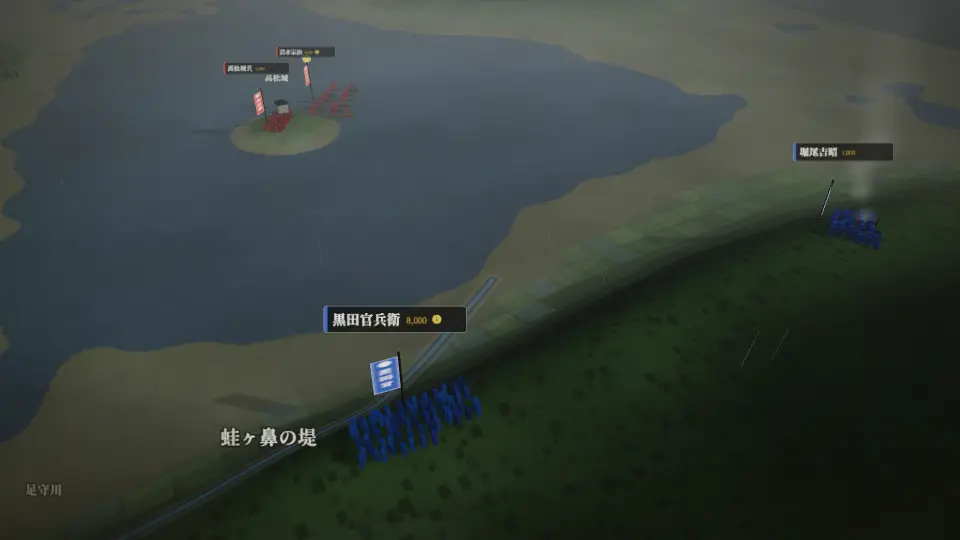
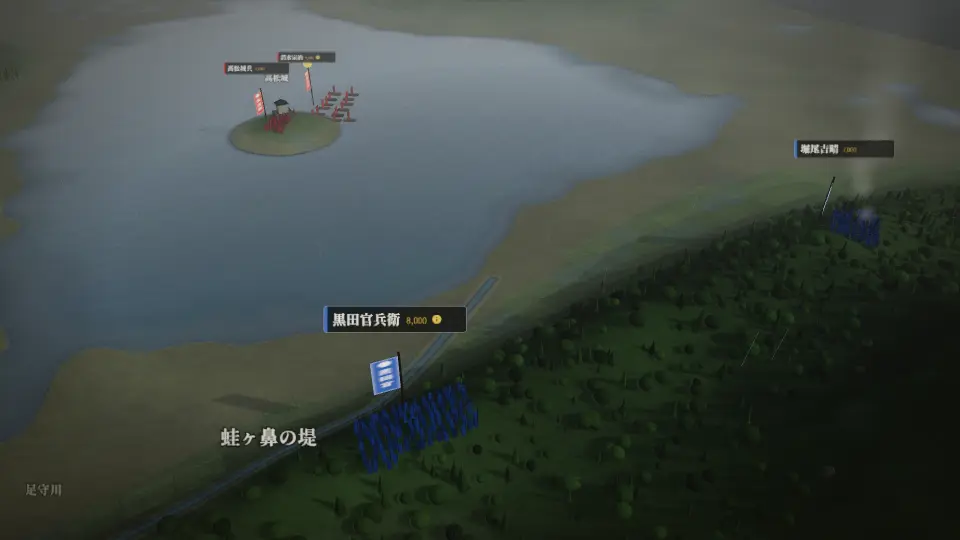
The same scene in the standard quality and in Ultra detail. Drag the line to compare, and switch between "Wide" and "Close-up". Ultra detail adds rugged mountains, forests and rocks in 3D, rippling seas and rivers, rows in the fields and soldiers as figures. Chapter 1 of every battle can be watched in Ultra detail without the Battle Pass.
FAQ
What was the Siege of Takamatsu?
On Kuroda Kanbei's advice, Hashiba Hideyoshi walled in Takamatsu Castle with a dyke and drowned it in an unprecedented flooding siege. Amid the news of Honnō-ji, Shimizu Muneharu's suicide on the lake sealed a truce, and Hideyoshi turned to the Great Return from Chūgoku.
When and where did the Siege of Takamatsu take place?
It took place in 1582 at Takamatsu Castle, Bitchū Province (Tenshō 10).
Who fought in the Siege of Takamatsu?
Hashiba Hideyoshi of the Hashiba forces, Shimizu Muneharu of the Mōri side were among the commanders.
Can I watch the Siege of Takamatsu in 3D?
Yes. This page plays a free three-minute 3D animated overview showing the deployments, the movements of each army and how the battle was decided.