Akechi forcesAkechi
Akechi Mitsuhide
明智光秀
“Koretō Hyūga-no-kami”
1528–1582 (aged 55)
- Rank / office
- Koretō Hyūga-no-kami
- Domain / base
- Tanba
- Banner / crest
- Bellflower
- Battles in 3D
- 2 battles
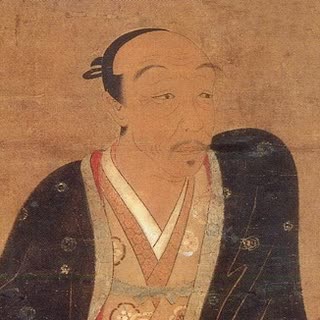
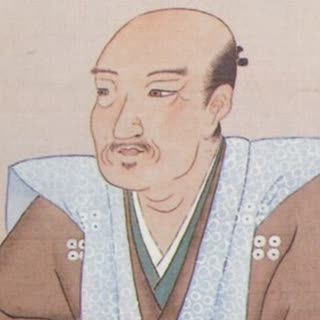
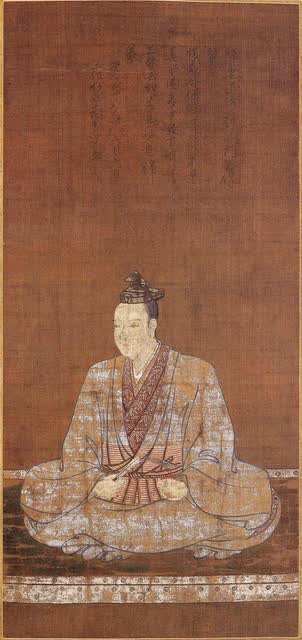
Portrait · Source: Wikimedia Commons (public domain)
Now is the time: the fifth month, when rain rules all beneath the sky.
Atago hundred-verse sequence (attributed)
A commander of obscure origins who served Ashikaga Yoshiaki and then Nobunaga and rose rapidly. He pacified Tanba and became a key figure in the Kinai, but in Tenshō 10 he surprised and killed Nobunaga at Honnō-ji. Few of the allies he counted on joined him; he lost to Hideyoshi at Yamazaki and was killed by peasant militia while fleeing. The "three-day reign" of legend. He was also a cultivated man skilled in linked verse and the tea ceremony.
Life and battlesGold dots mark battles you can watch in 3D
- 1571Genki 2
Sakamoto Castle in Ōmi
Granted Sakamoto Castle for his part in the burning of Mount Hiei, he became a senior Oda retainer.
- 1579Tenshō 7
Pacification of Tanba
Pacified Tanba after a hard campaign and was highly praised by Nobunaga.
- 1582Tenshō 10
The Honnō-ji Incident
"The enemy is at Honnō-ji." He killed his lord Nobunaga in Kyoto.
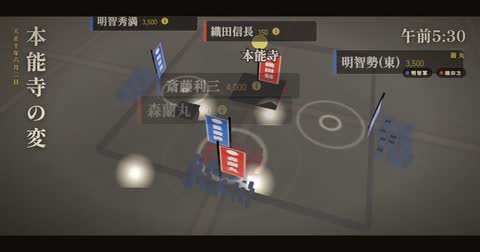 Honnō-ji Incident Commander-in-chief 5,000 troops Watch in 3D › The clever general who raised the banner of revolt on the way to the western campaign and killed his lord Nobunaga at Honnō-ji. But he was fated to a "three-day reign."
 - 1582Tenshō 10
Death after Yamazaki
Beaten by Hideyoshi, he met his end at the hands of peasant militia at Ogurusu.
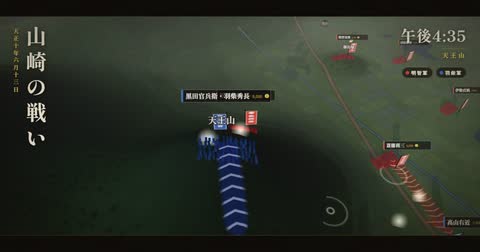 Battle of Yamazaki Commander-in-chief 5,000 troops Watch in 3D › Eleven days after killing Nobunaga at Honnō-ji. He set his headquarters at Onbōzuka, but the allied lords he counted on never came.
Related sites
FAQ
What does "Koretō Hyūga-no-kami" mean?
Koretō was a prestigious surname granted by Nobunaga, and Hyūga-no-kami (Governor of Hyūga) a court title. Mitsuhide was allowed the name around Tenshō 3 and styled himself Koretō Hyūga-no-kami thereafter.
Why did Mitsuhide rebel at Honnō-ji?
There are many theories and no settled answer. A grudge against Nobunaga, ambition for the realm, and the involvement of the court or Ashikaga Yoshiaki have all been debated for centuries. On the 2nd day of the 6th month of Tenshō 10 he surprised his lord Nobunaga at Honnō-ji in Kyoto.
What is the "three-day reign"?
The phrase refers to how briefly Mitsuhide held power after Honnō-ji. Beaten at Yamazaki by Hashiba Hideyoshi, who had raced back in the Great Return from Chūgoku, he was dead within a fortnight.